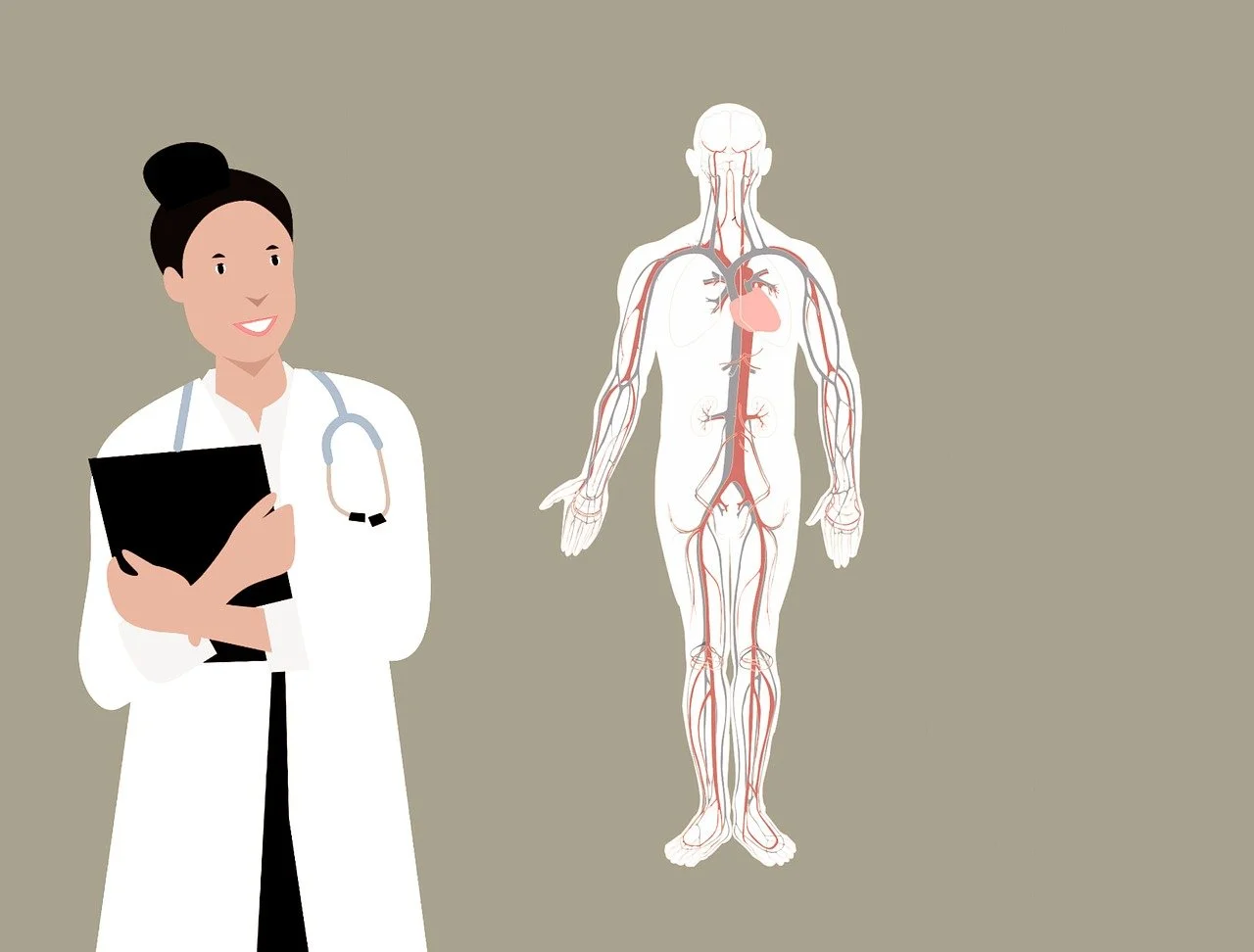

Peripheral Artery Disease (PAD) occurs when your arteries (the vessels that carry blood away from the heart) become narrow and can’t transport as much blood to the outer parts of your body, like your arms and legs. Other terms or phrases for PAD include “hardening of the arteries,” “peripheral vascular disease,” and “poor circulation.”
The most common cause of PAD is arterial blockages, known as atherosclerosis, which occur when fat and cholesterol form plaques that build up in the vessels. As the plaque builds up, the arteries get narrower and more restrictive. Doctors don’t know exactly why plaque builds up, but they think it is a slow-growing disease that can start in childhood. Although it may be gradual, if you do not get treatment, it could eventually lead to a stroke or heart attack.
Risk factors include being 50 years of age or older, diabetes, high cholesterol, high blood pressure, obesity, a sedentary lifestyle, and smoking. If you have heart disease, you have a 33% chance of having PAD. Smoking is the most significant risk factor, raising the risk for PAD by 400% compared to non-smokers. Smokers also tend to develop symptoms ten years earlier than non-smokers.
PAD causes muscle pain or cramping, which occurs when you walk or climb stairs but stops when you rest, due to reduced blood flow to the legs (known as claudication). You can also experience pain in the buttocks, hips, calves, feet, and thighs. Other symptoms include burning and numbness, changes in leg color, leg weakness, general/leg fatigue while walking, legs that are colder than your arms, one leg colder than the other, loss of leg hair, shiny leg skin, skin that looks pale or blue, slow toenail growth, and wounds or sores on toes/feet that don’t heal well. If you have PAD in your arms, you will experience similar symptoms, including pain, cramps, and heaviness during activities that go away with rest. You could also experience blockages without pain, as your body can develop blood vessels around the blockages.
If you have leg pain when you walk (or any other PAD symptoms), consult with your physician. Smoking, diabetes, and age may be the reasons. If you have diabetes under the age of 50, talk to your doctor about any family history of PAD, heart attack, stroke, high blood pressure, and high cholesterol, as well as being a smoker, overweight, or African American. Your doctor will perform a physical exam and look for signs of the disease. Other tests might include an angiogram, ankle-brachial index test, ultrasound, and blood tests. If it is determined that you have PAD, your doctor will develop a treatment plan that might include changes to your lifestyle, new medicine, or, in advanced cases, surgery. Changes you can make include eating a healthy diet, exercising, avoiding smoking, and managing your cholesterol, blood pressure, and blood sugar, especially if you have diabetes.
PAD can be a warning sign of plaque in other body parts, such as your heart (coronary artery disease), kidneys (renal artery disease), or in the carotid artery, which carries blood to your brain and can lead to a stroke. It’s essential to modify lifestyle choices to minimize risks; eat a healthy diet, exercise regularly, reduce stress, and manage conditions such as diabetes, high blood pressure, and high cholesterol, if you have them.
Reference:
- WebMD, “What is Peripheral Artery Disease?”, Written by Matthew Hoffman, MD, medically reviewed by James Beckerman, MD, FACC, February 14, 2024