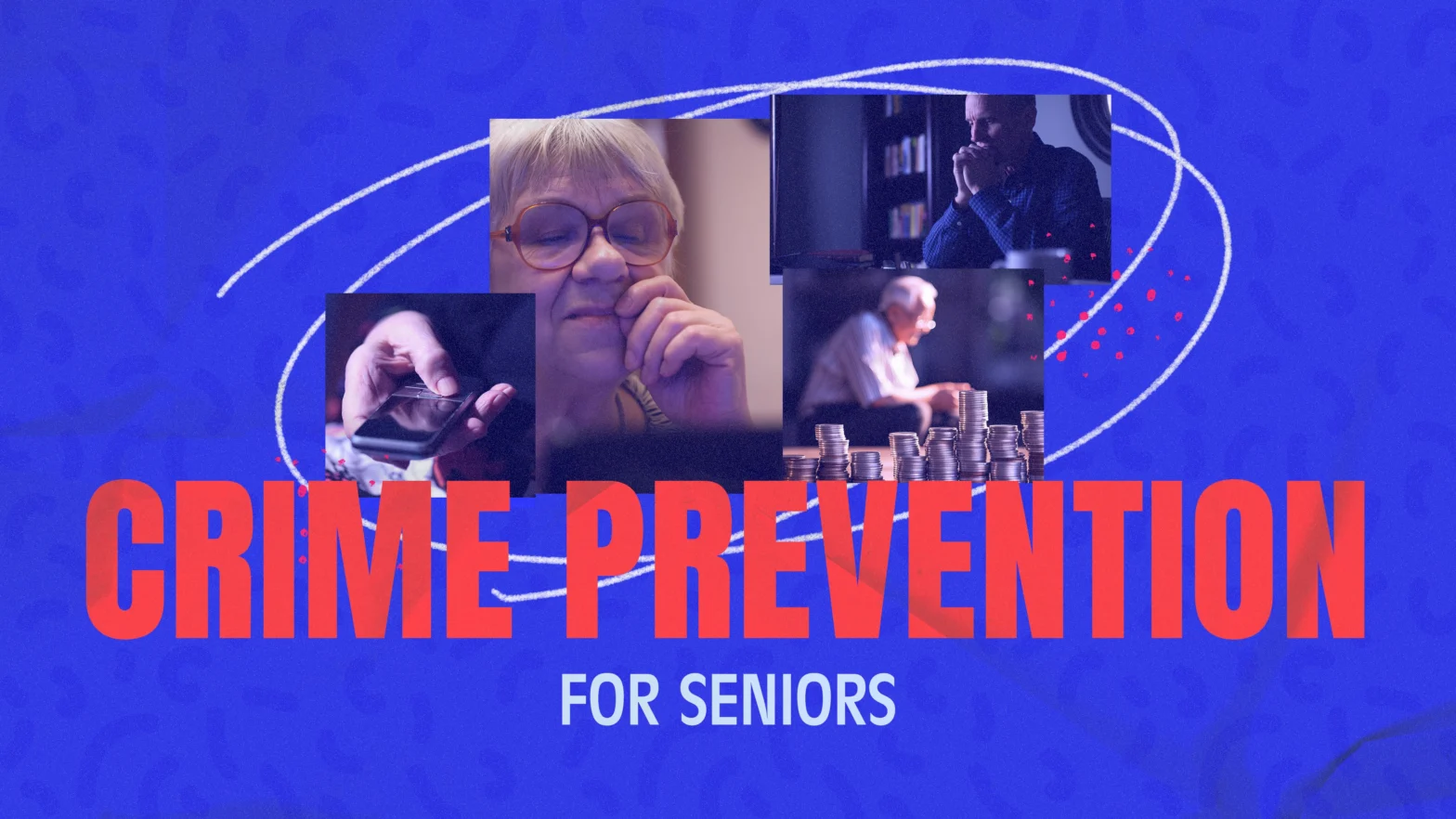

On Thursday, August 7, from 12 to 1:30 PM (following the Rambling Roses meeting), St. Therese of Lisieux will host an educational session for parishioners and the community on ways to protect yourself from the ever-increasing crime of fraud. So, mark your calendars to save the date! Peter Lucido, Macomb County Prosecutor, will present information on the various types of prevalent fraud and scams, as well as strategies for avoiding victimization by these crimes. Since we will be providing a light lunch, RSVP (by August 5) to the parish office at 586-254-4433 or Marilyn Cito, Parish Nurse, at 586-254-4433 Ext. 320 or marilync@stol.church.
Incidents of fraud have exploded in recent years, with Americans reporting a record $10 billion stolen in 2023, according to the Federal Trade Commission (FTC). A report by AARP found that 42 percent of American adults have personally experienced fraud, and most Americans (58%) are worried about these crimes.
Fraud victimization occurs when someone is deceived into giving money, property, or personal information. Fraudsters employ various techniques to deceive victims, including making false promises, impersonating others, or manipulating information. Specific individuals or groups may be more susceptible to fraud, including the elderly, those with limited financial literacy, and those experiencing hardship. And many times, victims are embarrassed and do not report the scams. According to an AARP survey, 78% of people who were scammed did not report the crime to local law enforcement or the FBI (89%).
Online fraud takes many forms and encompasses both financial and identity theft. Instances include viruses that target computers to gather personal information, email schemes that lure individuals into sending money to fake sources, and “phishing” emails posing as companies and official government agencies to solicit sensitive information and facilitate identity theft. The methods used by perpetrators of online fraud are constantly evolving.
The FTC stated that the most common methods used by fraudsters to contact victims include telephone calls, websites, emails, consumer-initiated contacts, traditional mail, and other means. The most common methods fraudsters use to collect payments, based on reports, are wire transfers, credit cards, gift or reload cards, bank account debits, internet/mobile payments, cash or cash advances, checks, money orders, and telephone bills.
You can take steps to protect yourself by being wary of unsolicited calls, emails, or messages from those requesting information, monitoring your financial accounts regularly, using strong, unique passwords, enabling two-factor authentication on online accounts, being cautious about investing in unfamiliar or high-risk opportunities, and reporting any suspicious activity to law enforcement or financial institutions. Also, be cautious about your activity on social media; avoid taking quizzes or surveys, downloading free apps from social media, and accepting friend requests from people you don’t know. Finally, avoid accessing any sites that require a password when using public Wi-Fi.
It’s overwhelming to read about the many different ways each of us could become a victim of fraud and other related crimes. That’s why it’s essential to become as knowledgeable as possible about scams and ways to avoid them.
Adapted from:
- AARP, Consumer Fraud Complaints Hit Record High, Katherine Skiba, January 23, 2020.
- AARP, Many Americans Worry about Becoming Scam Victims, New Report Finds, by Christina Ianzito, May 8, 2024