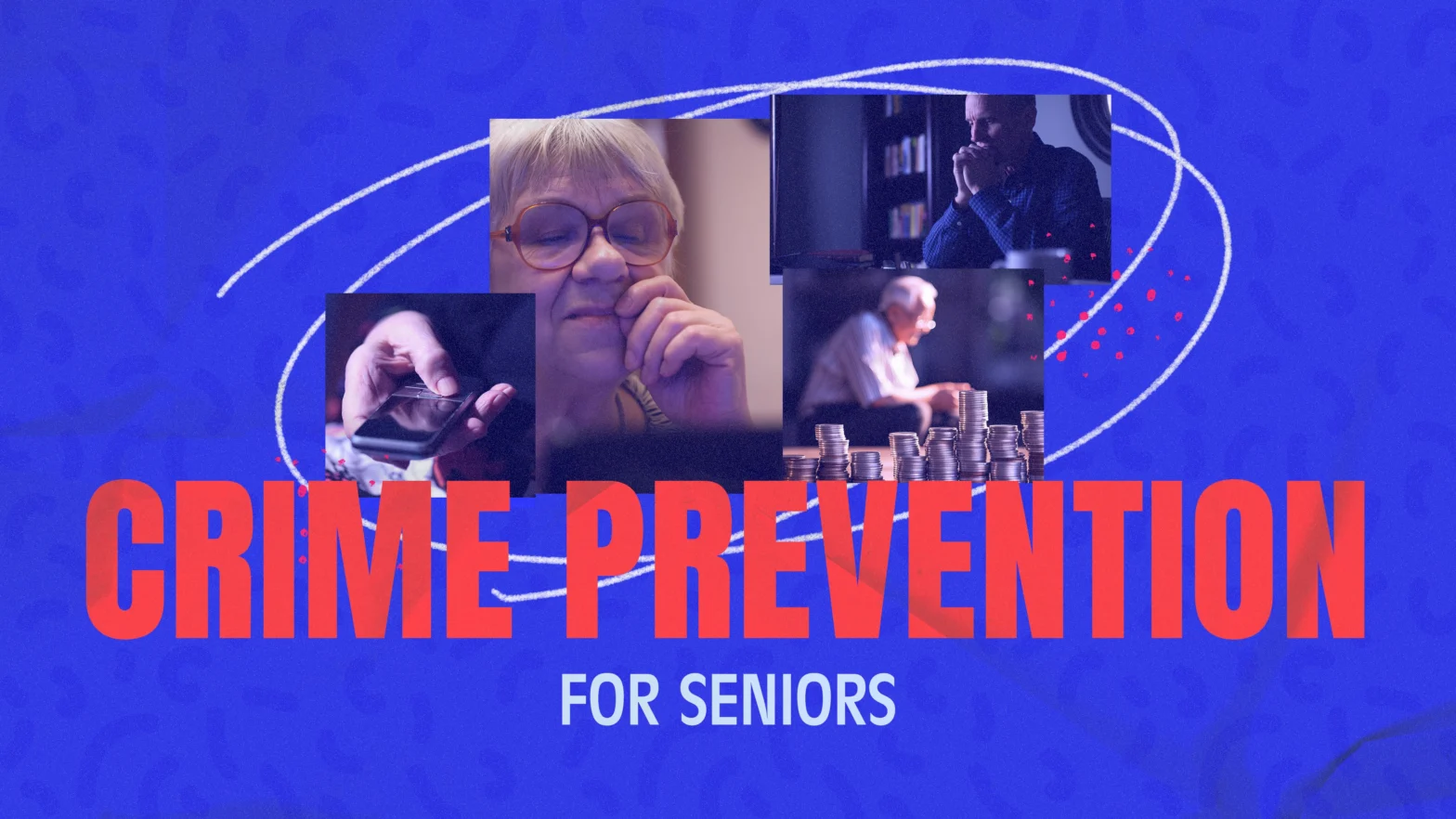

Senior citizens represent the fastest-growing segment of the U.S. population. One in every eight Americans is 65 or older, totaling 35 million across the country. By 2030, as life expectancy increases, this number is expected to rise to 64 million.
As we age, our bodily functions decline, and we become less capable of defending ourselves and projecting confidence. Some seniors may begin to show signs of mental impairment, dementia, or Alzheimer’s disease, which may predispose them to people who might take advantage of them.
There are numerous ways seniors can be taken advantage of, so it’s essential to be aware of these risks. Seniors can become victims of elder abuse (physical, psychological, or financial), as well as neglect by family members, nursing home staff, or others known to them. Because seniors often possess significant financial resources, they are frequently targeted by fraud and scams via telemarketing, mail, the internet, home improvement schemes, door-to-door salespeople, and identity theft.
Scams target seniors for several reasons. Older Americans often own their homes, have excellent credit, and have saved for retirement. Seniors also tend to trust other people and are less likely to report scams because they don’t know who to contact, are too embarrassed, or are unaware that they have been scammed.
Seniors should be aware of safety precautions at home, in the car, while shopping, and in public. Family members can help ensure the safety of seniors by checking in on them regularly through daily phone calls, emails, or text messages. Seniors should also discuss any unusual calls, emails, texts, or visits from strangers they may have received. Additionally, establish an emergency plan, such as a safety alert button, in case a loved one falls or needs assistance. Other safety precautions include:
Personal Safety:
- When someone knocks on your door, do not open it unless you know who it is.
- If you return home and the door is ajar, call the police and do not go inside.
- Have good locks and a deadbolt.
- Don’t carry a large amount of cash.
- Use direct deposit instead of mailed checks.
Telephone/Internet Safety:
- Don’t have a conversation with an unknown caller.
- Don’t give personal identification information over the phone. The IRS, banks, police, and other institutions do not call and ask for personal information. If someone solicits this information, hang up.
- If a phone call is threatening, hang up and call 911.
- Be aware of scams that claim you’ve won a prize and need to submit payment.
- Be careful with emails and texts. Do not respond or open attachments unless you have definitively verified the sender.
Home Improvement Schemes:
- Avoid home improvement schemes, including those made door-to-door, via telephone calls, or advertised on the internet.
Health Fraud:
- Avoid “instant cures” or gadgets that claim to relieve pain, as promoted on TV, online, or in the newspaper.
- Avoid fake or “free” laboratory tests.
General Fraud Recommendations:
- Avoid get-rich-quick schemes.
- Read contracts before signing. Don’t skip fine print or leave blank sections.
- Review bills for errors, additions, and services you did not use.
- Contributions to charity should be made to an organization, not an individual.
On Thursday, August 7, from noon to 1:30 PM (immediately following the Rambling Roses meeting), St. Therese will host Peter Lucido, Macomb County Prosecutor, to discuss crime prevention for seniors. His presentation will include ways seniors are targeted and taken advantage of by criminals, as well as what to do if victimization occurs.
Please RSVP to the parish office at 586-254-4433 or Marilyn Cito, Parish Nurse, at 586-254-4433 Ext. 320 or Marilync@stol.church.
References:
- www.beverlypd.org/pdf/PERSONAL SAFETY/CRIME PREVENTION FOR SENIORS
- https://agesafeamerica.com/crime-prevention-tips-elderl