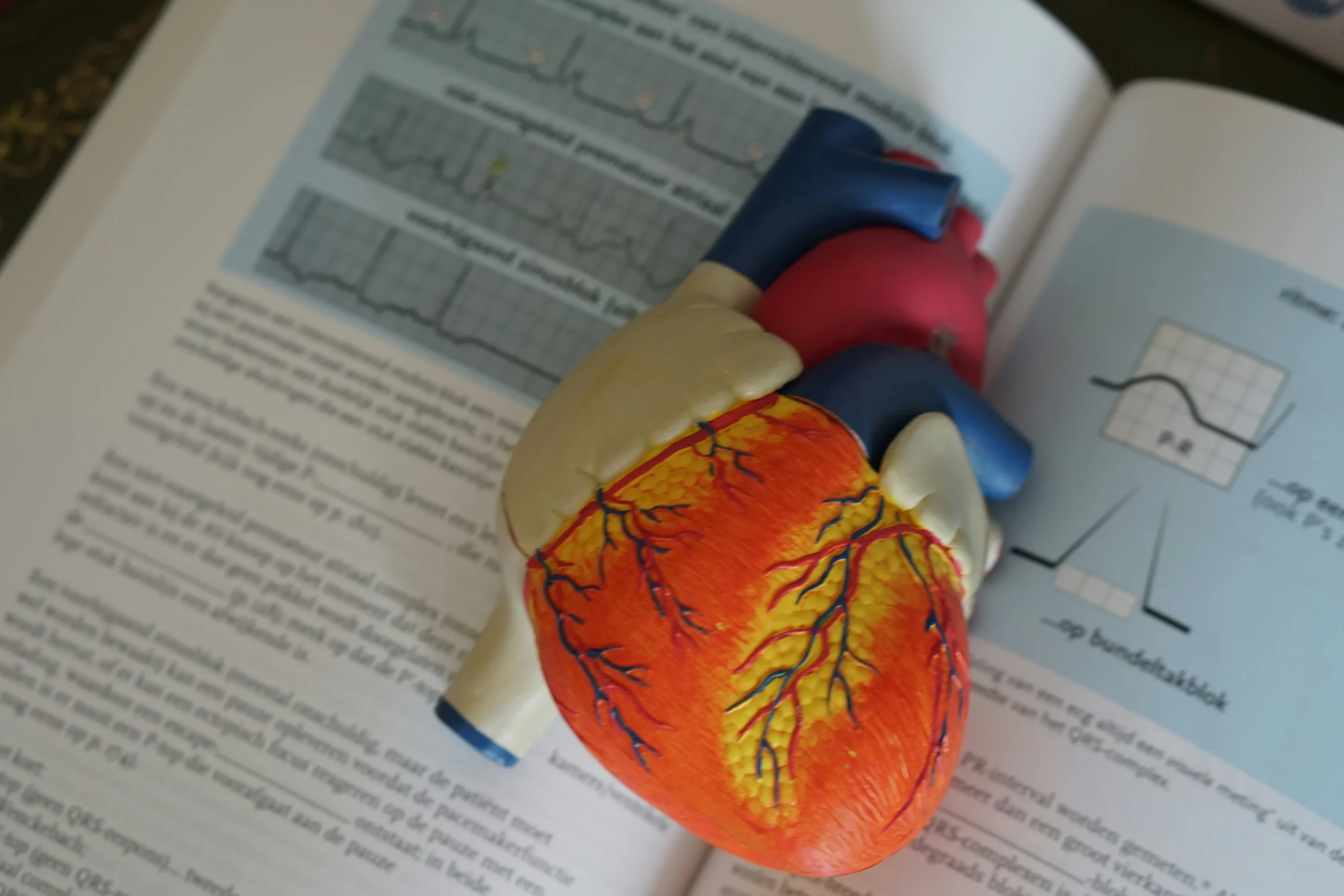

Heart failure, sometimes known as congestive heart failure, occurs when the heart can’t pump blood effectively to the lungs or the rest of the body. If a person has developed a weakened heart muscle or their heart muscle has thickened or stiffened, the heart has difficulty filling and backs up blood into the lungs. With heart failure, the weakened heart pumps less blood and causes the kidneys and adrenal glands to produce chemicals that hold on to salt and water. Because the body is retaining salt and water or the heart is unable to pump blood forward, water may pool in the legs and ankles, causing them to swell. Fluid may also collect in the lungs and interfere with the ability to breathe, especially when lying down. Additionally, blood vessels constrict, and blood pressure rises, making it even harder for the heart to push blood through the arteries.
Congestive heart failure affects about 5 million Americans. Roughly 550,000 people are diagnosed with heart failure each year. It is the leading cause of hospitalization in people older than 65.
Symptoms of heart failure include:
- Shortness of breath upon exertion or lying down (leading to sleeping with extra pillows)
- Swelling of legs, ankles, or feet (due to fluid buildup)
- Suddenly waking up short of breath
- Reduced exercise tolerance (daily tasks may feel harder than before)
- Swollen abdomen (due to fluid collecting in the belly)
- Confusion or poor concentration (due to reduced blood flow to the brain)
- Rapid, racing, fluttering, or irregular heartbeat
- Persistent cough or wheezing, sometimes with frothy sputum (due to fluid in the lungs)
- Rapid weight gain (more than five pounds within a few days) (due to fluid retention)
- Increased need to urinate
- Fatigue and weakness (due to less oxygen-rich blood)
- Chest pain (if caused by a heart attack)
Not all conditions that lead to heart failure can be reversed, but treatments can improve the signs and symptoms of heart failure and help you live longer. Lifestyle changes, such as controlling blood pressure and blood sugar (if you have diabetes), taking medications, exercising, reducing sodium in your diet, managing stress, and losing weight, can improve your quality of life.
If you think you might be experiencing signs or symptoms of heart failure, it is important to follow up with your doctor or healthcare provider.
On Thursday, August 6, from 12 to 1 PM, following the Rambling Roses meeting, Dr. Edouard Daher of Eastlake Cardiovascular will present a lecture in the Social Hall on cardiac diseases, signs and symptoms, and treatment options. If you want to learn more about this topic or have questions about a cardiac disease, we invite you to attend this informative lecture. Since a light lunch will be served, please RSVP to the Parish Secretary or Marilyn Cito, Parish Nurse, at 586-254-4433 or via email at Marilync@stol.church.
References:
- Mayo Foundation for Medical Education and Research, 1998-2019
- www.webmd.com/heart-disease/heart-failure/understanding-heart-failure-basics